
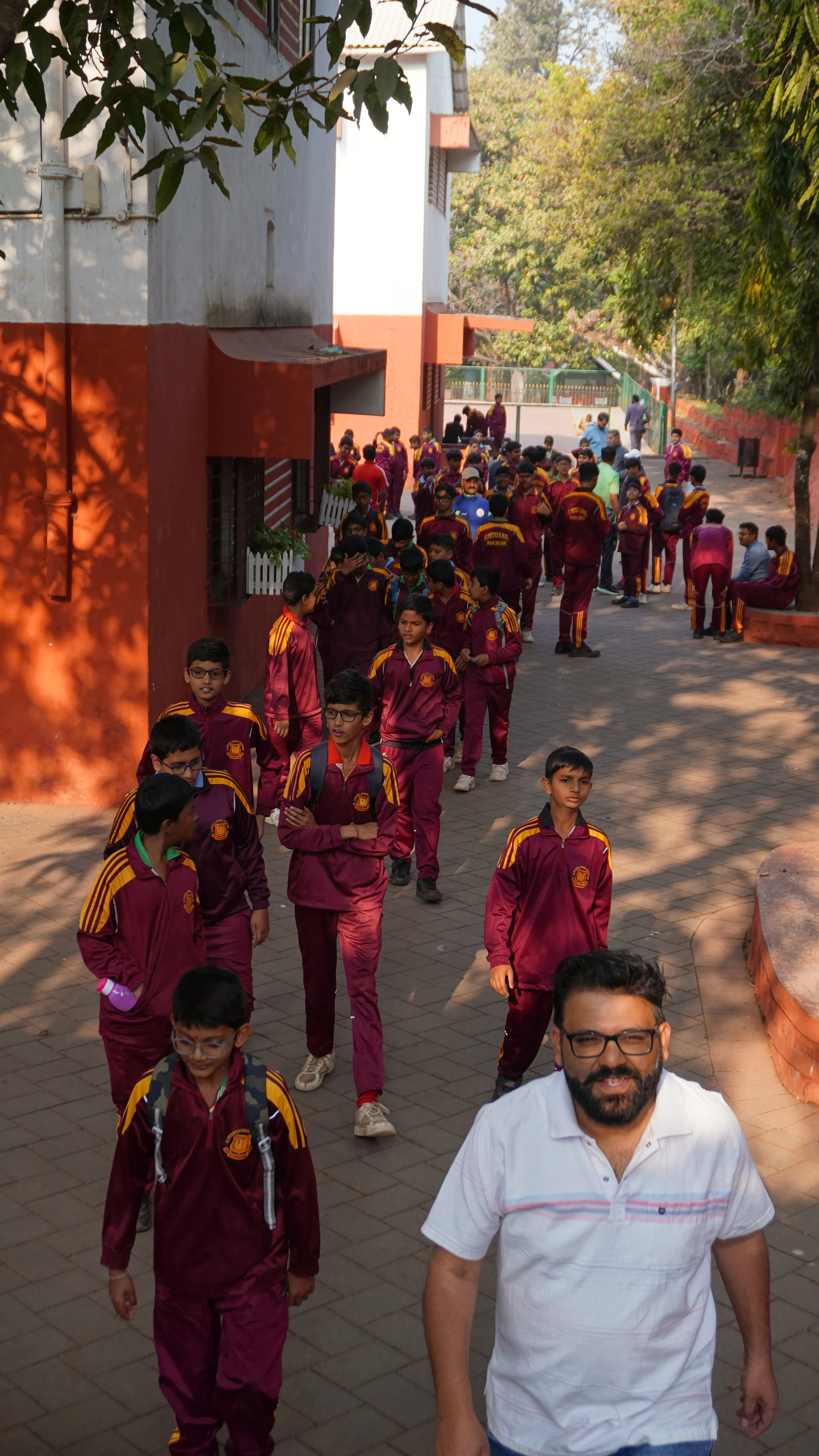
Sending a child to board is one of the biggest decisions a family makes — we know, because we have the conversation with parents every week. So let us be clear about what boarding at St. Peter’s actually is: a structured community in which learning, friendships, meals, sport, study, rest and daily responsibility are woven into one shared life, under the care of adults whose job is to know your child.
The residential day gives students something no day school can: repeated, low-stakes practice at running their own lives. Preparing for the morning. Caring for belongings. Keeping time. Sharing space with people they did not choose. Resolving ordinary disagreements. Asking for help — and learning that asking is strength. Meanwhile, the school carries its side of the bargain: age-appropriate supervision, pastoral guidance, health support, safeguarding, and honest communication with you.
In this section
The boarding experience
| Dimension | What it involves |
|---|---|
| Live | Supervised dormitories, shared routines, personal responsibility and respectful use of common spaces. |
| Learn | Classroom lessons, supervised evening study, reading, academic support and assessment preparation. |
| Participate | Sport, clubs, houses, music, art, celebrations, outings, camps and service. |
| Belong | Friendships across backgrounds, trusted adults, house identity — and connection with home. |
Explore boarding in detail
- Dormitories — how residential life is organised and supervised.
- Daily Routine — a typical day, hour by hour.
- Pastoral Care — the adults who watch over your child.
- Student Wellbeing — how we keep children happy, healthy and able to learn.
- Medical Support — healthcare on campus and beyond.
- Food and Nutrition — what, and how well, students eat.
- Safety and Security — safeguarding as a culture, not a checklist.
- Parent Communication — how you stay close from any distance.