
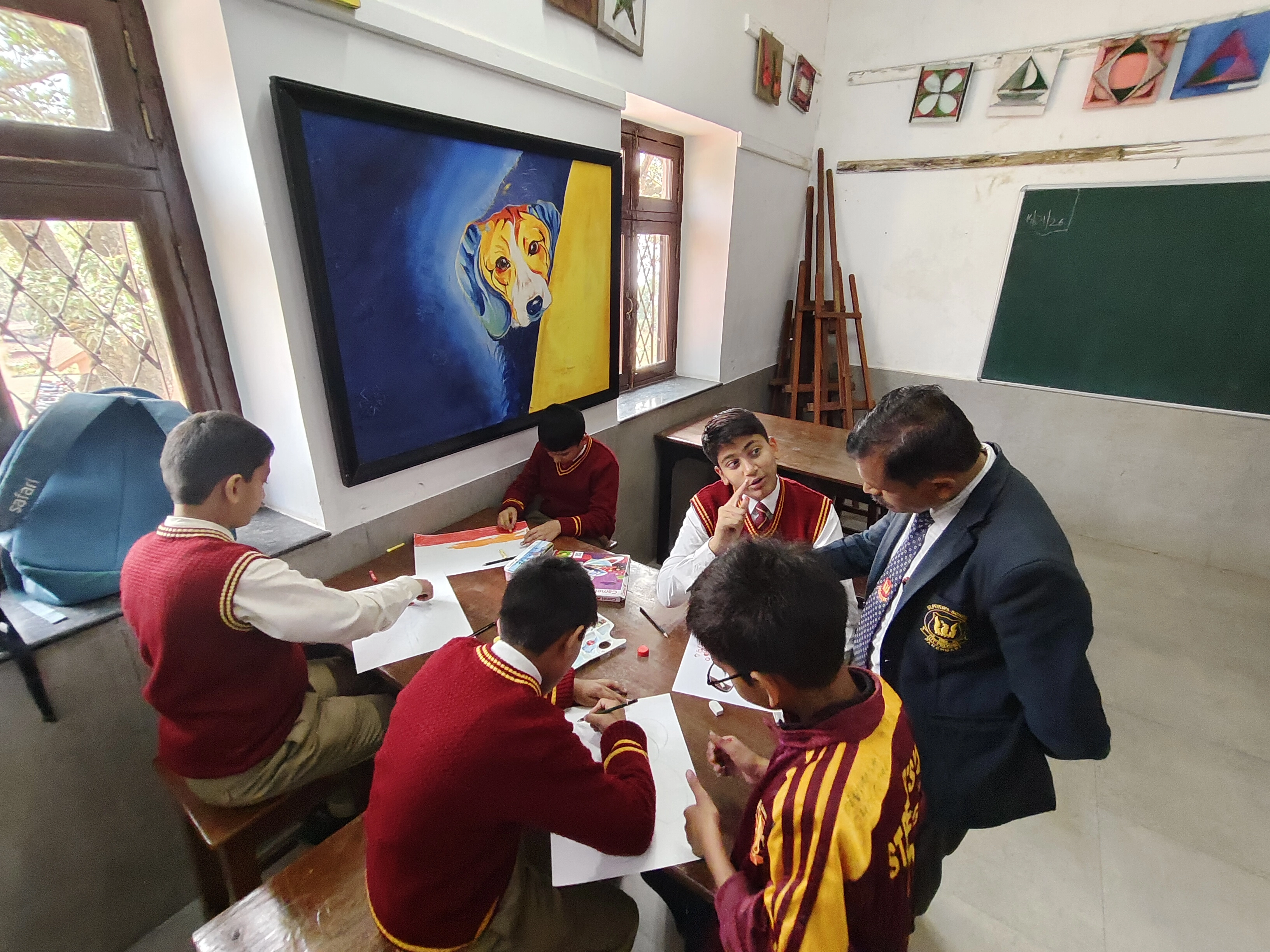
Every class contains children who learn differently — faster here, slower there, differently everywhere. At St. Peter’s, learning support is not a separate room down the corridor; it starts with good classroom teaching and widens, step by step, when a student needs more. If you are reading this page with a particular child in mind, know this first: telling us early helps us help them, and it will never count against an application unfairly.
Our approach
Support begins where all good teaching begins: clear explanations, structured tasks, the right level of challenge, plenty of practice, and feedback a child can act on. When difficulty persists, we do not guess. We gather evidence, talk with the student and family, and decide together what additional support fits.
The support pathway
- 1Teacher observation and review of classwork, assessment and participation.
- 2Discussion with the student and relevant teachers or house staff.
- 3Parent conversation, with previous reports or professional recommendations where relevant.
- 4Short-term classroom strategies or targeted support with clear goals.
- 5Review of progress after an agreed period.
- 6Referral for specialist assessment or external support where school and family agree it is needed.
What support can include
- Differentiated classroom tasks and scaffolding.
- Small-group or individual work on identified skills.
- Organisation, study and revision strategies.
- Language support where appropriate.
- Assistive or digital tools where available and suitable.
- Positive behaviour planning and restorative guidance.
In a residential school, support does not end with the last bell. Dormitory staff, house leaders and teachers share one picture of each child — so the strategies that work in the classroom follow a student into evening study and daily life.